SEO, GEO and AEO for SaaS and software companies
When a buyer asks ChatGPT for software that does what yours does, is your product named?
CiteProof asks the AI assistants the questions your buyers ask, shows which products they name, and lists what to fix on your site.
Free · No sign-up · Results in about a minute
What is GEO for SaaS companies?
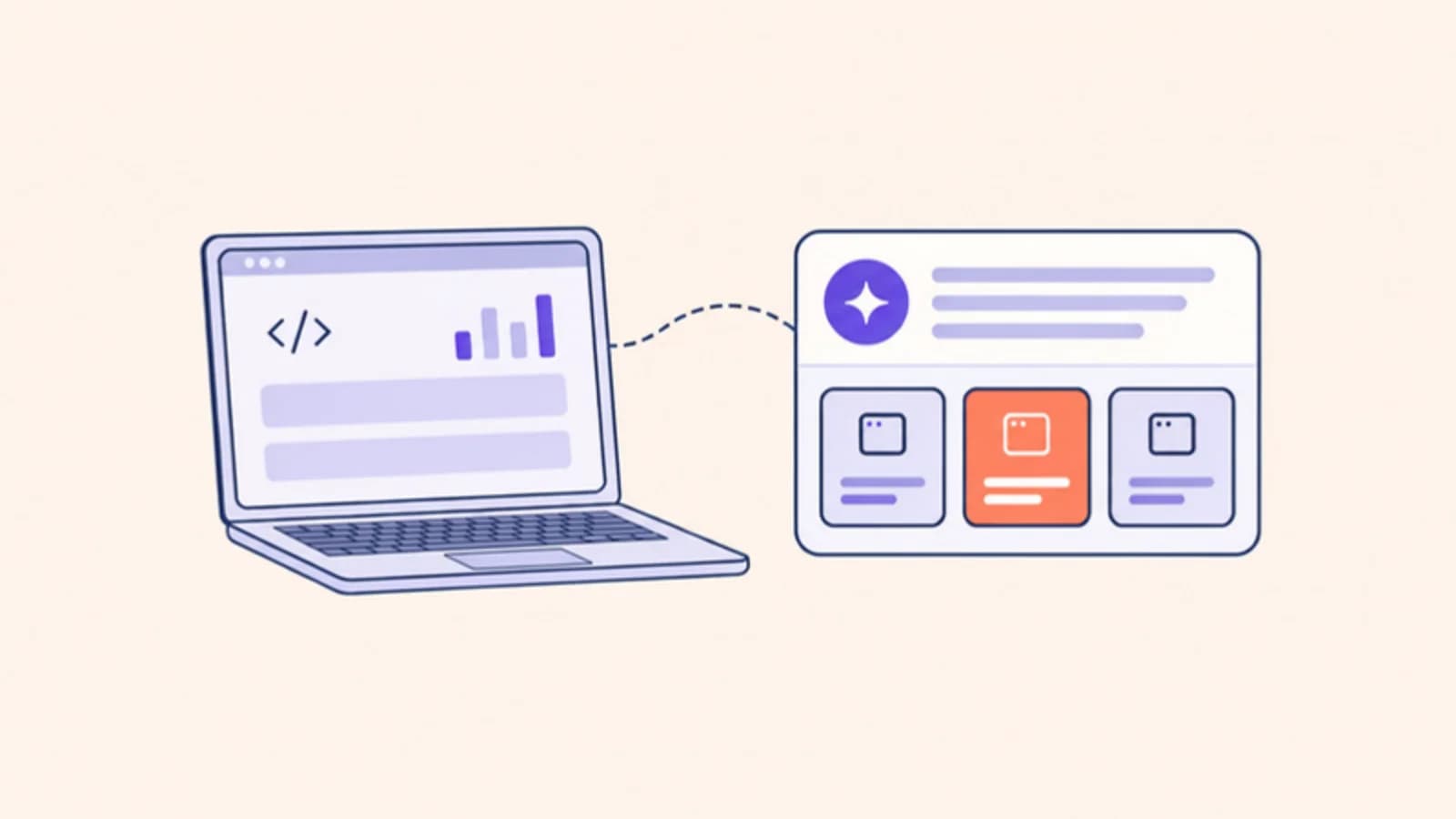
GEO (generative engine optimization) for SaaS and software companies is the work of making a product easy for AI assistants such as ChatGPT, Perplexity, Gemini and Google's AI Overviews to find, check and name when a buyer asks which tool fits their case. It builds on B2B SEO: product, pricing and comparison pages, documentation and users' reviews, written so that a machine can verify them.
How does a software product get recommended by ChatGPT?
An AI assistant such as ChatGPT names a software product when it can confirm, from more than one source, what the product does, who it is built for, what it costs, what it connects to and what its users say. These are the five things it can check.
- The same details everywhere. Product name, category, one-line description and pricing identical on your website, your profiles on the software directories and the marketplaces that list you. A plan that has one price on your site and another on a directory is a reason to name a different product.
- Reviews, recent and on more than one site. Users' reviews on at least two independent sites, such as G2 and Capterra, with recent ones among them. Reviews that say what a team uses the product for tell an assistant which needs it fits.
- Listings on the sites of your trade. A complete profile on the sites where buyers compare software, such as G2, Capterra, TrustRadius and Product Hunt, in the right category, with the same description, pricing and integrations as your site.
- Specific answers on your own pages. A public pricing page with the plans in text, a page for each use case and each kind of customer, fair comparison pages with the products buyers weigh you against, and documentation that is open to read.
- A site the assistants can read. Text that is in the page itself and not drawn later by a script, documentation that does not sit behind a login, structured data for the product and the company, and a robots.txt that lets the assistants' search crawlers in.
Where do AI assistants look for a software product?
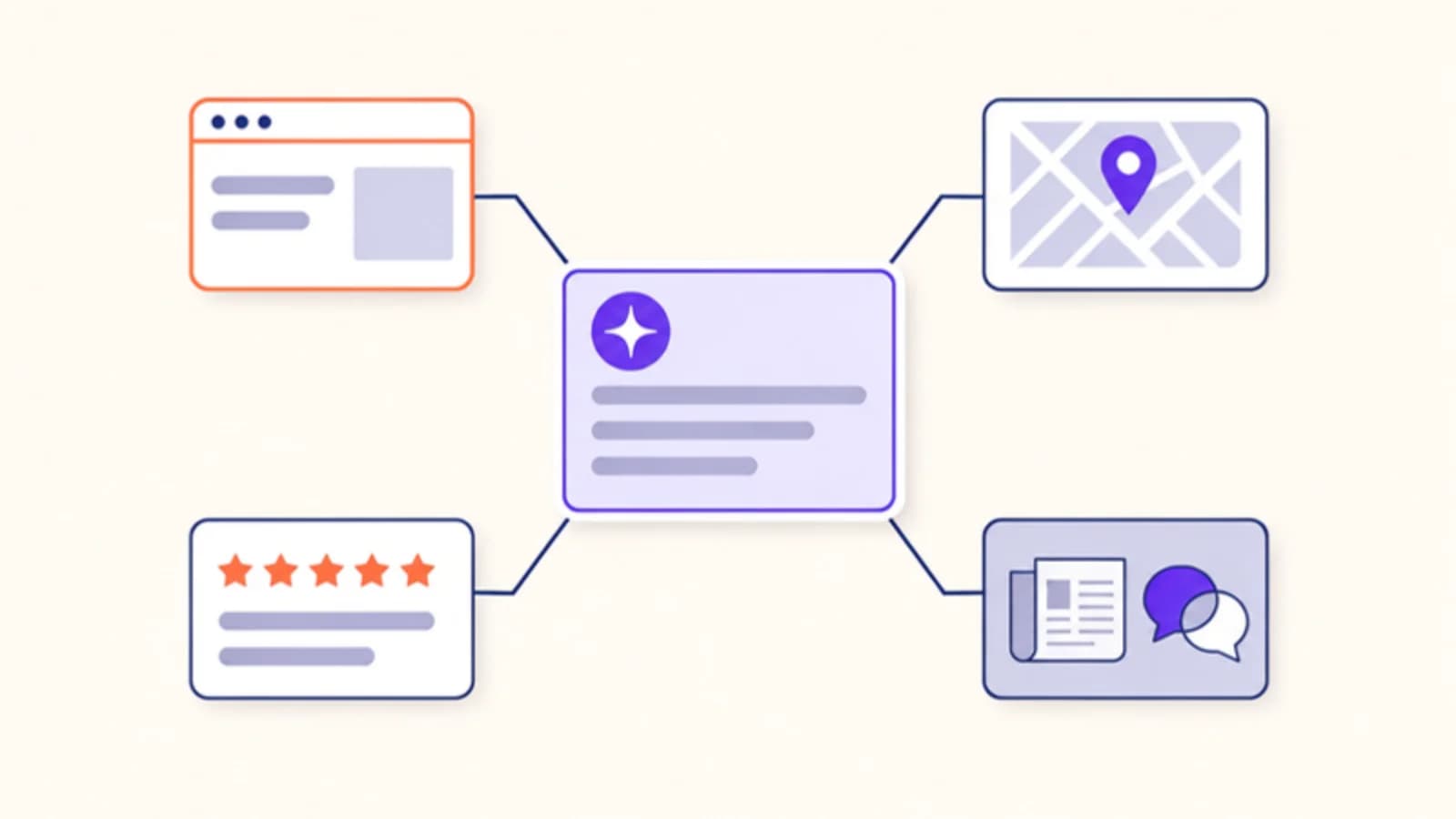
Yext analysed 6.8 million citations in answers from Gemini, OpenAI and Perplexity: 44% pointed to the business's own website, 42% to listings, 8% to reviews and social media, 6% to news, forums and other sites.
Source: Yext, 9 October 2025 (Yext sells listings software). Read on 26 November 2026.
| Where | What to check there |
|---|---|
| Your own website | Product and use-case pages, the pricing page, the integrations list, comparison pages, public documentation and the changelog, the page about the company. |
| Listings and directories | G2, Capterra, TrustRadius, Product Hunt, the marketplaces of the tools you integrate with: the same product name, category, pricing and integrations as your site. |
| Reviews | Reviews on G2, Capterra and TrustRadius: how many, how recent, and which team sizes and use cases they mention. |
| Press, associations and forums | Trade publications and newsletters, comparison articles, Reddit threads and developer forums where buyers ask each other what to use. |
What should a software company do first?
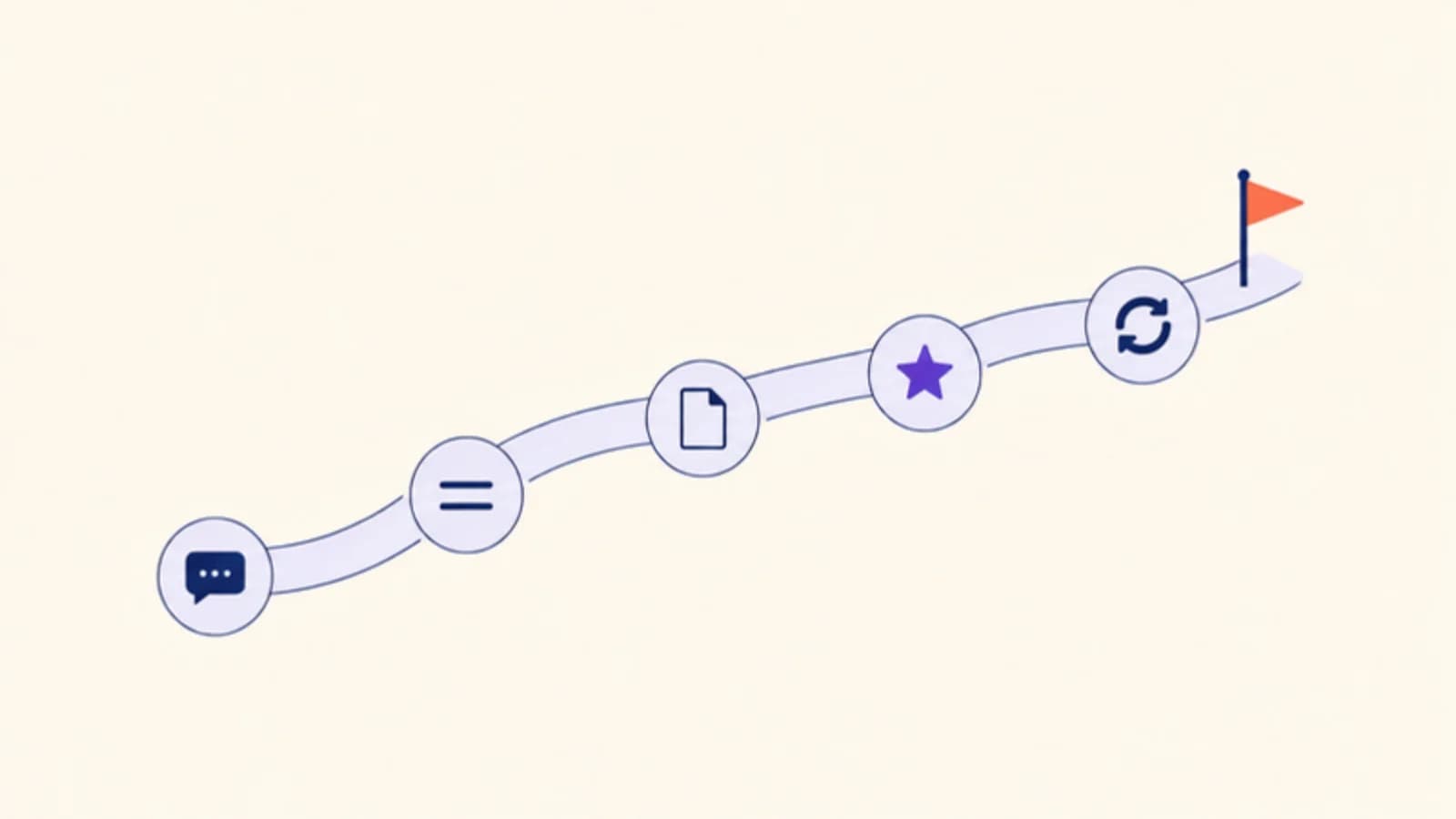
- Ask ChatGPT, Perplexity and Gemini the questions your buyers ask, for example a help desk tool for a small support team, and write down which products are named.
- Make the product's category, one-line description and pricing identical on your site and on your G2, Capterra and TrustRadius profiles.
- Publish pricing and the integrations list as text, and give each main use case its own page with the answer to the buyer's question in the first two sentences.
- Ask recent customers for a review on one or two software directories, and write the comparison pages for the products buyers weigh you against.
- Check that the assistants' crawlers can read the site and the documentation, then ask the same questions again after a month and compare.
The free scan at the top of this page does the first step for you: it asks the assistants the questions and shows who they name.
The shortlist is written before the demo
Somebody at a small company is told to find a CRM, a help desk or an accounting tool. They describe the team, the budget and the tools already in use to an assistant, and ask what to look at. The answer is a shortlist: a few products, with a reason for each. Demos get booked with the names on it. You see the sign-ups and demo requests that reach you, not the shortlists that left you out. The scan shows you those answers for your product, question by question.
What buyers ask, from our catalogue for software companies
- Which CRM would you recommend for a 5-10 person professional services firm on a tight budget?
- Which cloud ERP is the best fit for a 50-employee manufacturing company?
- Which marketing automation tool works best for a small B2B company?
- I'm looking for a no-code automation tool for internal workflows, which is the easiest to learn?
- I need a cloud PMS for a small hotel in Chicago with an integrated channel manager, what do you recommend?
- I need construction management software for a small contractor in Chicago, what does the market offer?
These are examples from our catalogue of questions for this trade; where a question names a town, it is shown here with Chicago. The free scan writes 5 questions by reading your own site and puts them to ChatGPT, Perplexity and Gemini.
How it works
What the free scan gives you
It includes
- 5 questions written from your own site
- For each question: whether ChatGPT, Perplexity and Gemini name you, and who they name instead
- A score and the first 3 problems found on your site
It does not
- Change anything on your site
- Keep watching over time: it is a picture of today
It asks only for your site's address. You leave an e-mail only if you want the report sent to you.
What comes next, if you want it: a free account that keeps the analysis, and paid plans from $79/month. Cancel anytime · 14-day money-back guarantee
What you find out
Already doing SEO or advertising?
This does not replace either. It answers a different question.
- SEO
- Works on where you appear in Google's results when someone searches.
- Advertising
- Buys you visibility for as long as you pay.
- CiteProof
- Measures which names come out when someone asks an AI assistant for a recommendation, and works on what your site contributes to that.
- Doing nothing
- Costs nothing, and leaves you not knowing what the assistants say about you. The scan is how you find out.
It is for you if
- You sell software to businesses and buyers compare you with other products.
- You, or someone on your team, can change the marketing site.
- You want to see what is said about your product before deciding what to do.
It is not for you if
- Your product has no public site, or everything sits behind a login: the scan reads public pages.
- You want a guarantee of being named. Nobody can honestly give one.
- You are looking for someone to run your ads or collect reviews for you on the software directories. We do not do that.
What we cannot promise
- We do not control what the assistants answer. Their answers change, sometimes from one day to the next.
- Nobody can guarantee that you will be named. We measure, fix what depends on your site, and check whether it made a difference.
- Part of what the assistants use is outside your site: reviews, articles, how well known you are. We do not change those for you.
Questions and answers
Do software buyers really ask AI assistants what to choose?+
We have no figure for your category and we will not invent one. What the scan shows is what the assistants answer today when they are asked. Whether that matters for your product is your call once you have seen it.
We already do SEO and content marketing. Is this the same thing?+
No. SEO and content work on where your pages appear when someone searches. This measures which products an AI assistant names when a buyer asks for a recommendation. Your marketing team can use the report: the fixes are changes to the site that they can apply or check.
Our site is not on WordPress or Wix. Can the fixes still be applied?+
The scan reads any public site, whatever it is built with. If you go further, the fixes are applied through a WordPress plugin, the Wix app, or a small snippet that your developers add to the site.
Does it need access to our product or to our customers' data?+
No. It reads the public pages of your site and the answers of the assistants. It does not log in to your product and it does not connect to your CRM or to customer data.
Can you guarantee that the assistants will name me?+
No, and be careful with anyone who does. We measure what they answer today, fix what depends on your site and measure again. Sometimes the answers change, sometimes they do not.
What does the free scan need from me?+
Your site's address, nothing else. No sign-up and no card. It takes about a minute. If you want the report by e-mail you leave your address, and you can unsubscribe at any time. Questions: hello@citeproof.co.
See what the assistants say about your product
Enter your site's address. About a minute, no sign-up.